
Chesterton’s Fence & Neurological Tightness
“Do not remove a fence until you know why it was put up in the first place.”


Information Will Always Be Incomplete
At Absolute, we don’t just act because we get a finding. We act because we have an understanding of what that finding means. We synergize feedback loops—Point A to Point B. This is how we program in real time with less uncertainty—that is why we don’t mind the uncertainty, we embrace it with our strategy.
Case in point: neurological tightness.
What Is Neurological Tightness?
Neurological tightness is the behavior of the nervous system when it actively limits tissue from being taken to length. This is a concept from Functional Range Systems.1 In real life the concept (finding) equates to the neurology spending energy to constrain the tissue from lengthening/stretching.
This is a top-down output, not a bottom-up biological limitation. And it’s why we often say in our clinical case videos:
The nervous system is the “gatekeeper”.
The nervous system either opens the gate—allowing us to assess joint function and the bottom-up element of reactive strength (connective tissue architecture + behavior)—or it shuts it. The video below shows this behavior as we attempt to take the adductor tissue to length and get the finding of neurological tightness.

Why This Matters in a Reactive Strength Paradigm
Inside an amplifying reactive strength paradigm—where connective tissue is constantly being blowing up (see the NBA Reactive Strength Problem)—neurological tightness is a regular clinical finding.
Especially when the bottom-up biology is underdeveloped, injured, or degrading.2 In those cases, the nervous system maybe outputting tightness to shield suboptimal connective tissue from dynamic loading—being taken to length. This shielding behavior of the nervous systems is a core concept in our programming learning module for Point B reactive strength management.

Tightness Finding
So when we find tightness, we don’t automatically work to dampen it—we work within our inside-out special strength mental model of reactive strength (see above). We definitely don’t stretch it. Instead, we treat it as a leading indicator of a reactive strength problem—this is one way we program to hedge against reactive strength injury.
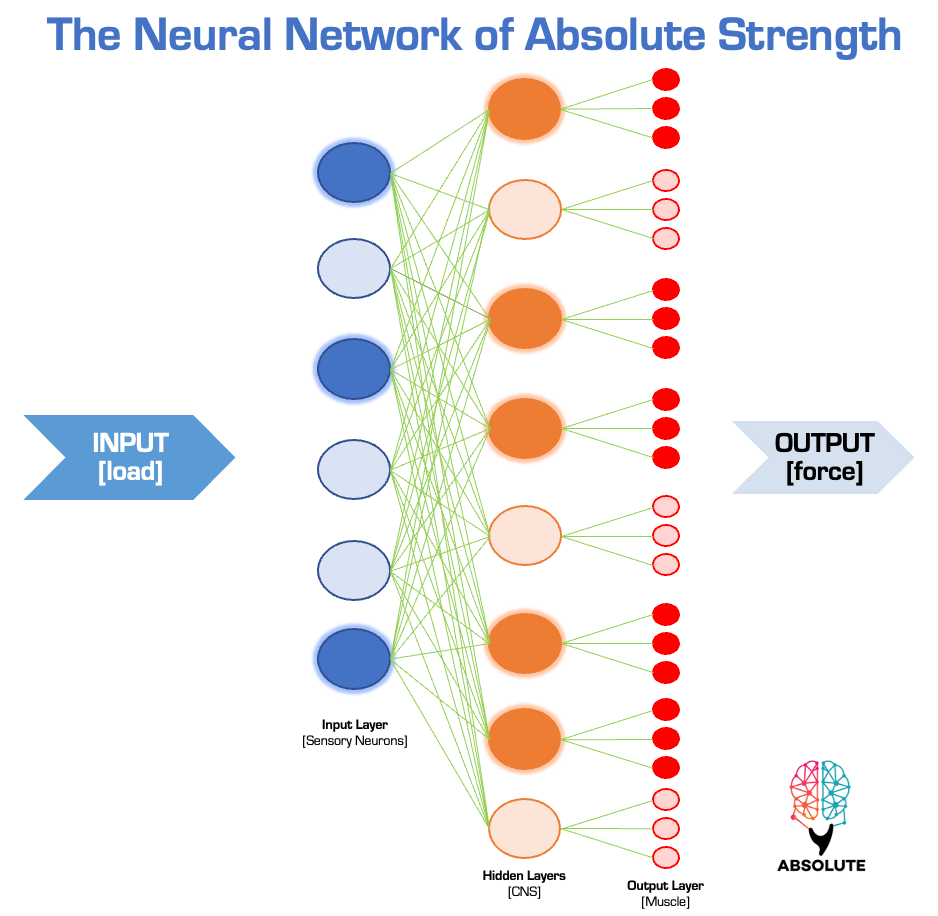
We view tightness as a behavior of the neural network of absolute strength.
Enter: Chesterton’s Fence
Keep reading with a 7-day free trial
Subscribe to Absolute: The Art and Science of Human Performance to keep reading this post and get 7 days of free access to the full post archives.